
Field NOtes Blog
Posts from Michael McMahon

Field Notes is the place where our clinical interests meet genuine curiosity about how bodies work, heal, and change.
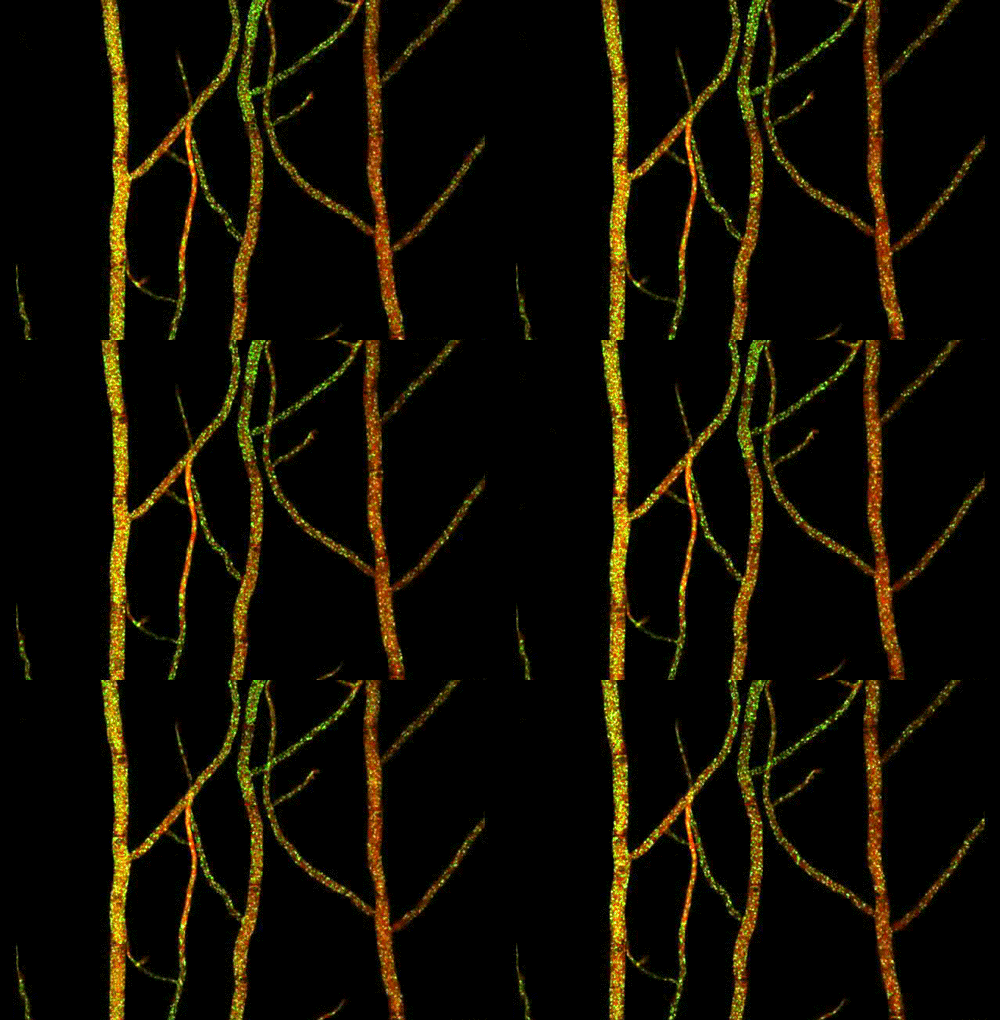
Mycellium of our Bodies
Guess what!? Fascia researcher Jean-Claude Guimberteau compares our inner form to the complex, chaotic branchings within forest structures. He says (in a thick French accent):
“Very often people think that chaos makes no sense. But in fact if you look to a tree in your garden. Try to find a sort of order along the branches. There is no order as humans consider order. The branch repartition is chaotic. It’s a disordered pattern. But it’s a tree. And it’s a perfect tree.
We have to accept how our body is made with a similar architecture.”
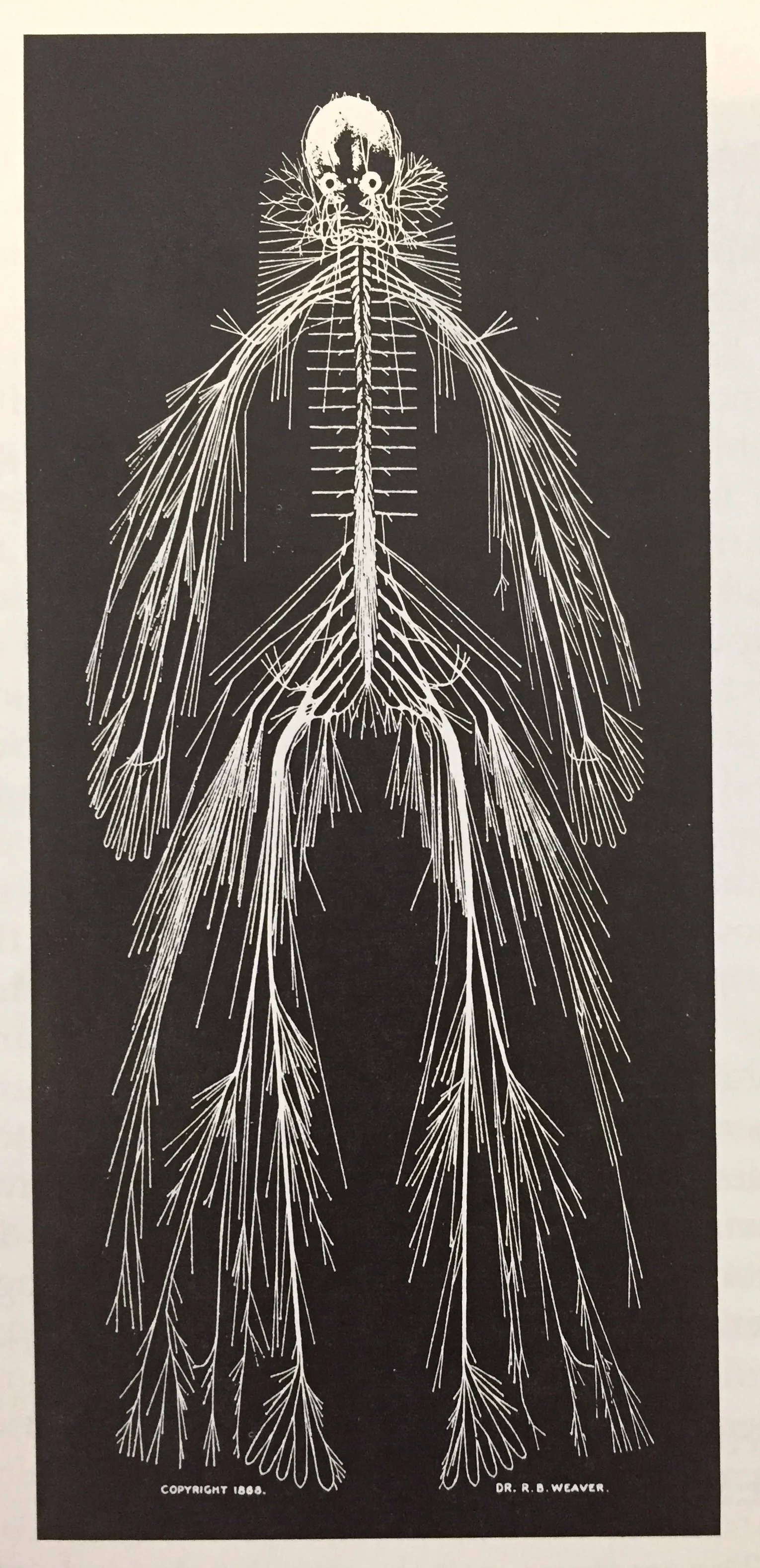
Cranialsacral Therapy & Sensory Integration
Raise your hand if you have felt a little bit like this lately. Lot going on these days, no?
We found this stark and stunning representation of the human nervous system while getting prepared for upcoming workshop season and couldn’t resist sharing it with you!

On Fascia & Embryology
Check out this passage on the embryological origin of the meridian system! If you've been in classes with me you may have heard me talk about the possibility that the meridians were laid down in the fascial matrix along the embryological path of migration taken by their respective organ.
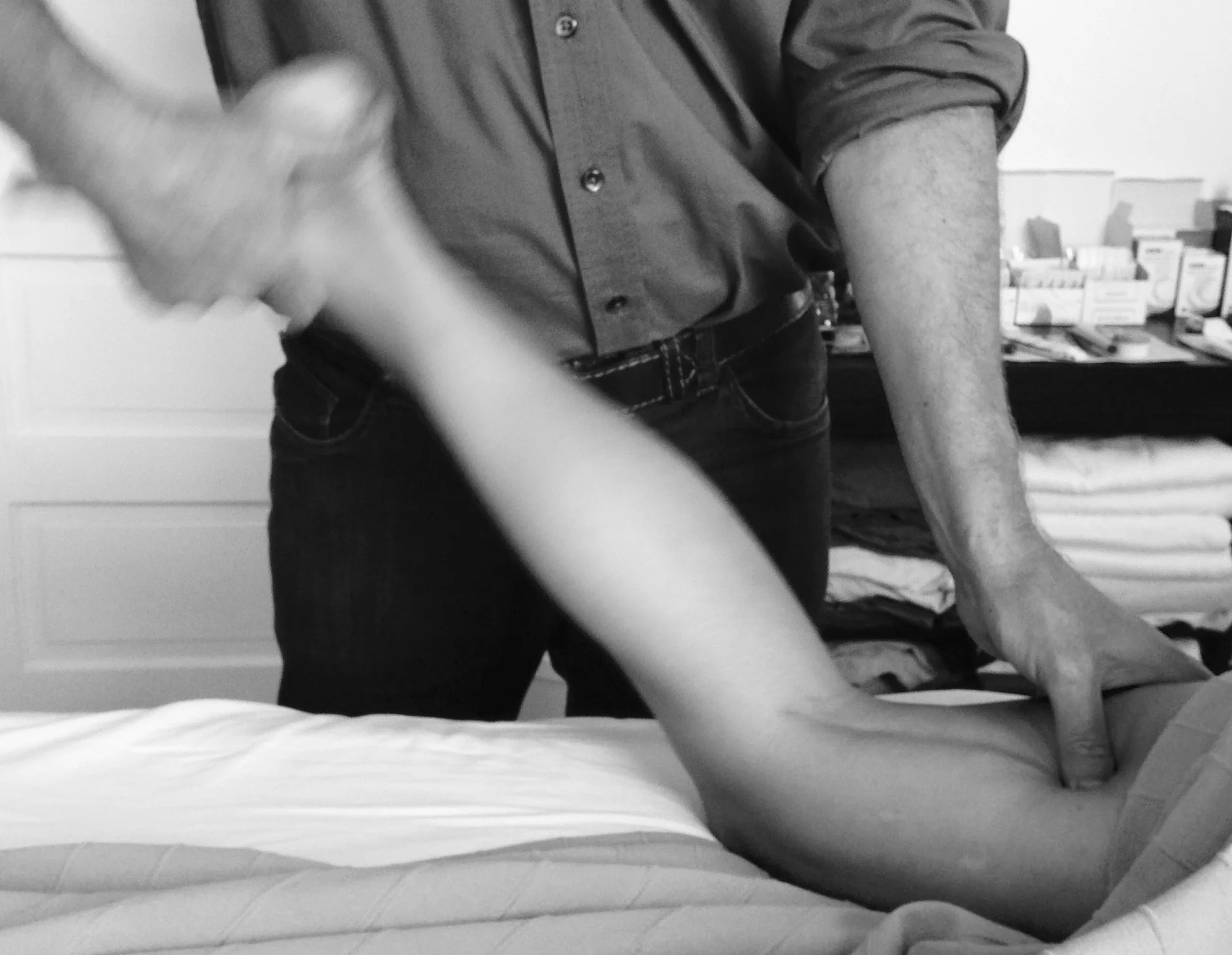
Sciatic Pain Case Study and Active Isolated Stretching
A new patient recently came in with acute sciatic pain. She was 69 years old, super spunky and hardly able to walk. She had been immobile for about a week. She said that the day of the appointment was the first day she was able to walk. She walked into the clinic favoring her right side and slightly bent forward. Walking up the stairs was quite difficult for her. She had nerve pain referring down to her foot following the gall bladder channel.

Coming Home
I could not appreciate my good fortune. My first year at Bastyr University a classmate and massage therapist introduced me to craniosacral therapy. A few weeks into medical school her teacher offered a seminar, which several of us took–we students couldn’t get enough.
(Photo Credit: Cira Crowell)
Ever wonder what the name Moving Mountain, is all about?
The name comes from Zen Master Dogen’s Mountains and Waters Sutra. We like to think the name connects us to landscape. The landscapes that shape our sense of place in the northwest like Mt. Hood, Mt. Adams, the Umpqua, and the White Salmon.
This “mountains and waters” world is home.
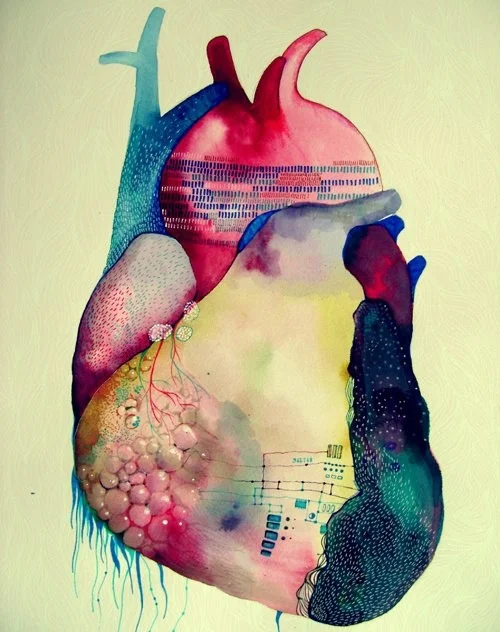
Navigating the High Seas of Interoception: Trauma, Healing, and the Felt Sense
I like to think of reconnecting to our felt sense as a re-wilding of the body: shutting off and turning away from mechanized ways of knowing and interacting, and reconnecting with ourselves and each other more organically.
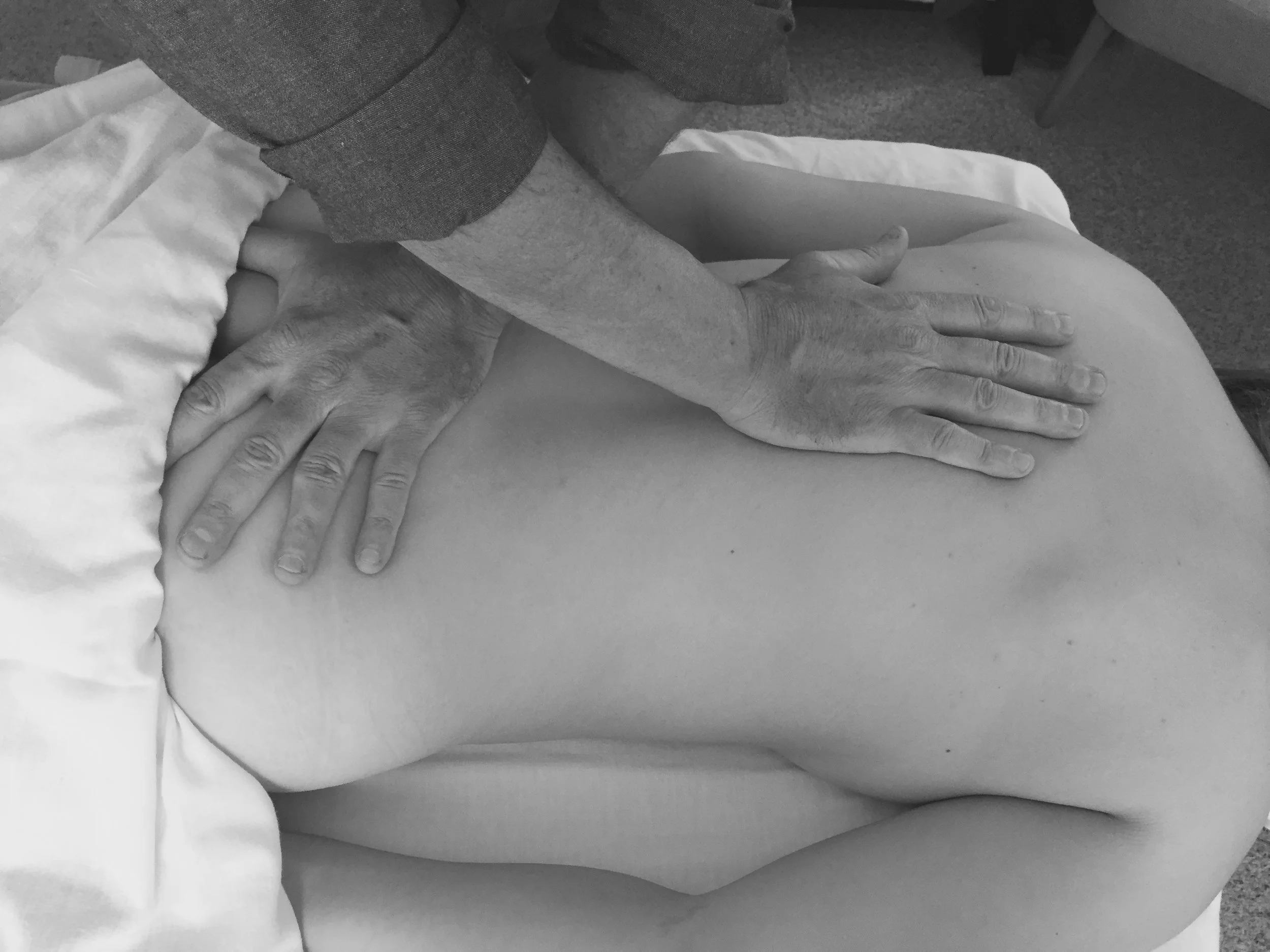
Orienteering via the Thoracolumbar Junction
I was thrilled to see this short article on the Thoracolombar Aponeurosis (or thoracolumbar fascia, TLF, as it's termed in the article). If you have studied with me you know how important I think this structure is! The TLF is primary to treating any issue that involves the low back or the pelvis.
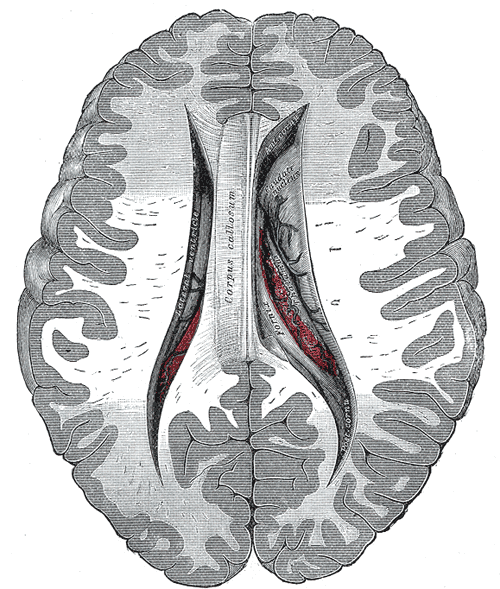
In From the Way Out
Jean-Claude Guimberteau, surgeon and fascial researcher, posits that the fascia is not just connective but that it is constitutive. His research led him to the idea that fascia is the constitutive component of the human form.
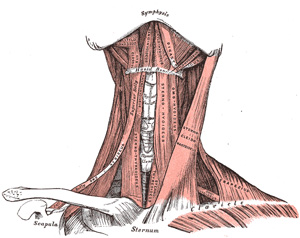
New Anatomical Friends!
Ahoy Somonauts! Some of you may be wondering what exactly a Somonaut is . . . Well, it's a term one of our compatriots, Gil Hedley, coined, it means "explorers of the body." Gil - the original Somonaut - has amazing fascial dissection seminars available for free viewing online at gilhedley.com
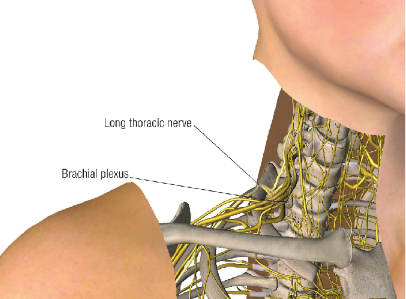
An Article on the Long Thoracic Nerve
I love this article on the Long Thoracic Nerve. It's so clear and it helped me to understand why some of the approaches I'd found for treating shoulder issues were so helpful. Somewhere along the line I began exploring treating the lateral ribs, just anterior and inferior to the lateral border of the scapula (or just below the armpit). I began working in both the intercostal spaces and on the serratus anterior and lat.
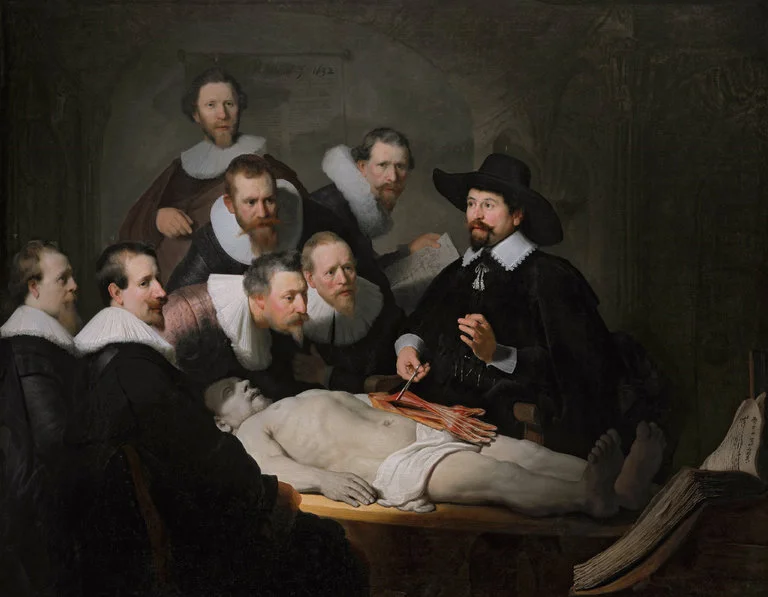
Art in Medicine! A brief Lynda Barry follow up . . .
In the days after I posted the tumblr article discussing Lynda Barry's influence on some of my approaches to teaching, I came across this article in the New York Times about medical schools’ use of art as a way to cultivate students’ perceptive skills. I have long been fascinated with blending art and medicine in multiple ways and it's fun to see examples like this.
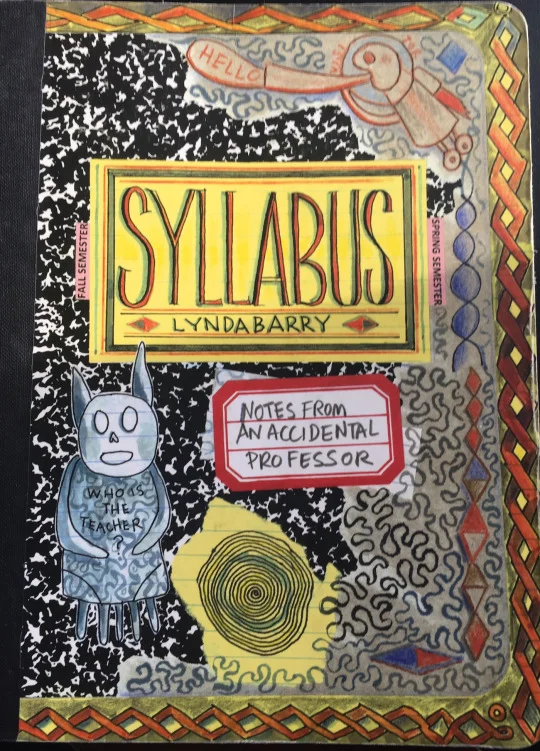
How Images Move: A review of Lynda Barry's Syllabus
This book is never far from reach and, often in my mind. The concepts I encountered in this strange little book have altered the way I understand the inter-relationship between content and medium. Meaning, there is a content we are endeavoring to explore and understand – the body. And then there is the medium, or way, by which we do that. Syllabus changed my understanding of the medium.
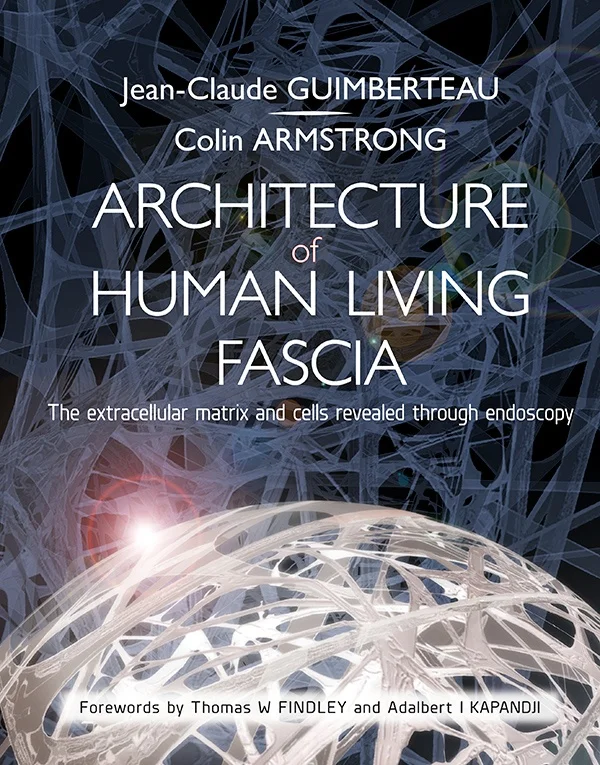
On Living Fascia
As promised, I want to discuss another article from the current issue of Massage and Bodywork Magazine. The timing is so fortunate with our workshop season about to begin (MFR I is next weekend!). This article is written by the French surgeon, Jean-Claude Guimberteau. Many of you will be familiar with him from his film, Strolling Under the Skin. Here’s a link to a half hour excerpt – totally worth watching!
John Barnes Article on Fascia
Greetings Somanauts! I was so excited to receive the new issue of Massage and Bodywork magazine this month, a whole issue dedicated to fascia! Seriously. Four articles on the fascia by three luminaries in the field, one of whom I've had the opportunity to study with - John Barnes. You can access it through the September / October edition of Massage & Bodywork: "Addressing Fascia with Myofascial Release: A Conversation with John Barnes."