
Field NOtes Blog
Posts from Michael McMahon

Field Notes is the place where our clinical interests meet genuine curiosity about how bodies work, heal, and change.
Dysautonomia + Bodywork - What’s Our Role?
I have been seeing more and more folks coming into the clinic with either a diagnosis of dysautonomia or a symptom set that fits the dysautonomia picture. Dysautonomia is not a “medical diagnosis”, it is a grouping of symptoms that indicates underlying autonomic nervous system disorder. The actual cause may remain a mystery but treatment can follow the specific presentation of each individual case. This is where our skills as bodyworkers can be supportive for those with these symptoms.
Introduction to Ehlers-Danlos Syndromes (EDS) and Hypermobility Spectrum Disorders (HSD) in Our Practices
EDS and HSD are diseases affecting the connective tissues. They are thought to be genetic in origin. They are spectrum disorders and so symptom pictures are highly variable.
The Ehlers-Danlos Society offers this definition of EDS: The Ehlers-Danlos syndromes (EDS) are a group of 13 heritable connective tissue disorders. The conditions are caused by genetic changes that affect connective tissue. Each type of EDS has its own set of features with distinct diagnostic criteria. Some features are seen across all types of EDS, including joint hypermobility, skin hyperextensibility, and tissue fragility.
Hypermobility Spectrum Disorders can co-occur with EDS or present on their own. There is often overlap in symptoms between the two and differentiating between them can be challenging.
The Ehlers-Danlos Society offers this definition of HSD: Hypermobility spectrum disorders (HSD) are connective tissue disorders that cause joint hypermobility, instability, injury, and pain. Other problems such as fatigue, headaches, GI problems, and autonomic dysfunction are often seen as part of HSD.
Vagus Nerve, Wellness Culture and Biohack Talk
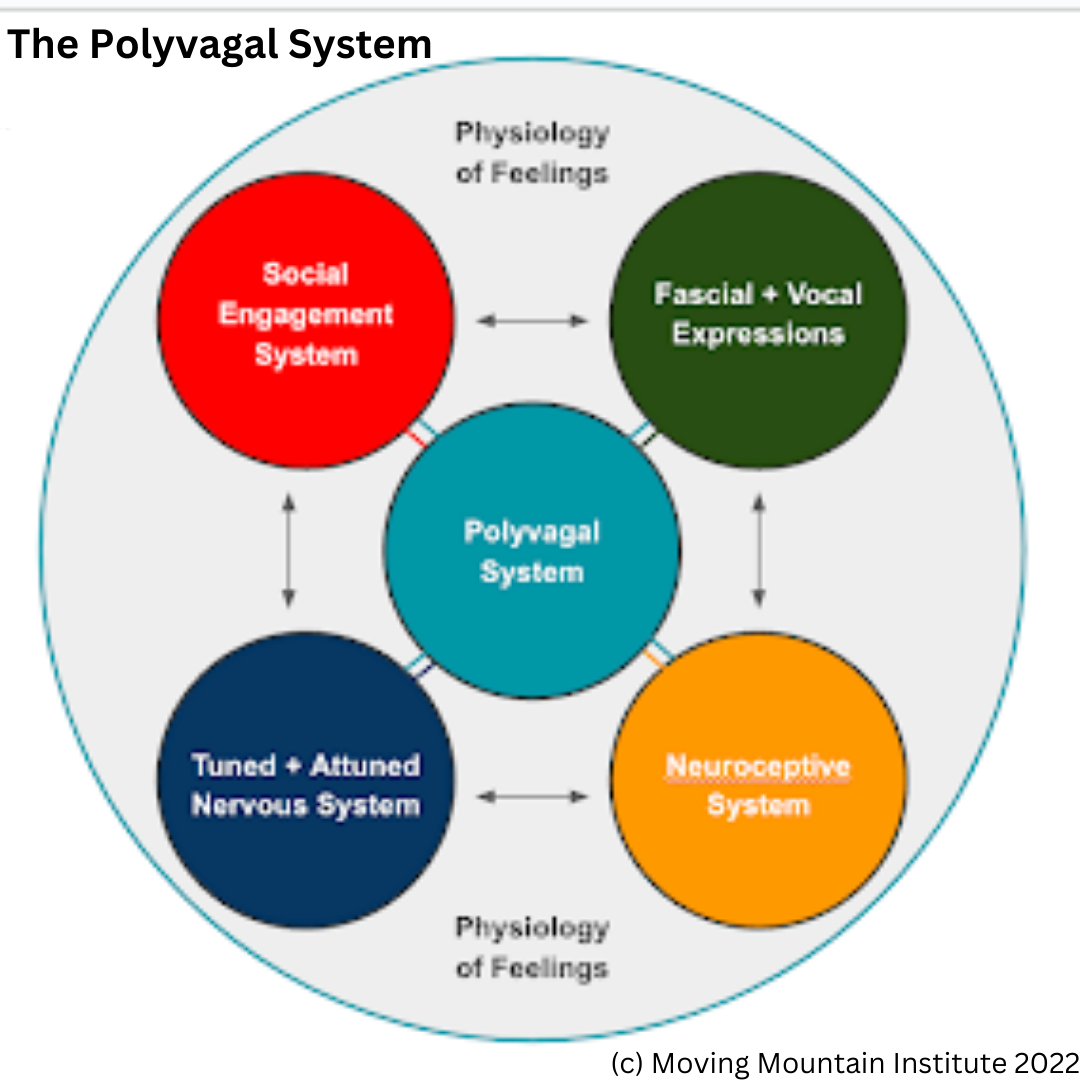
Wellness/biohack culture is obsessed with the vagus nerve and yet often misses the point of what can be helpful about understanding the polyvagal theory and the individual dynamism of each of our vagal systems. There isn’t a shortcut for deepening our capacity for both self and co-regulation.
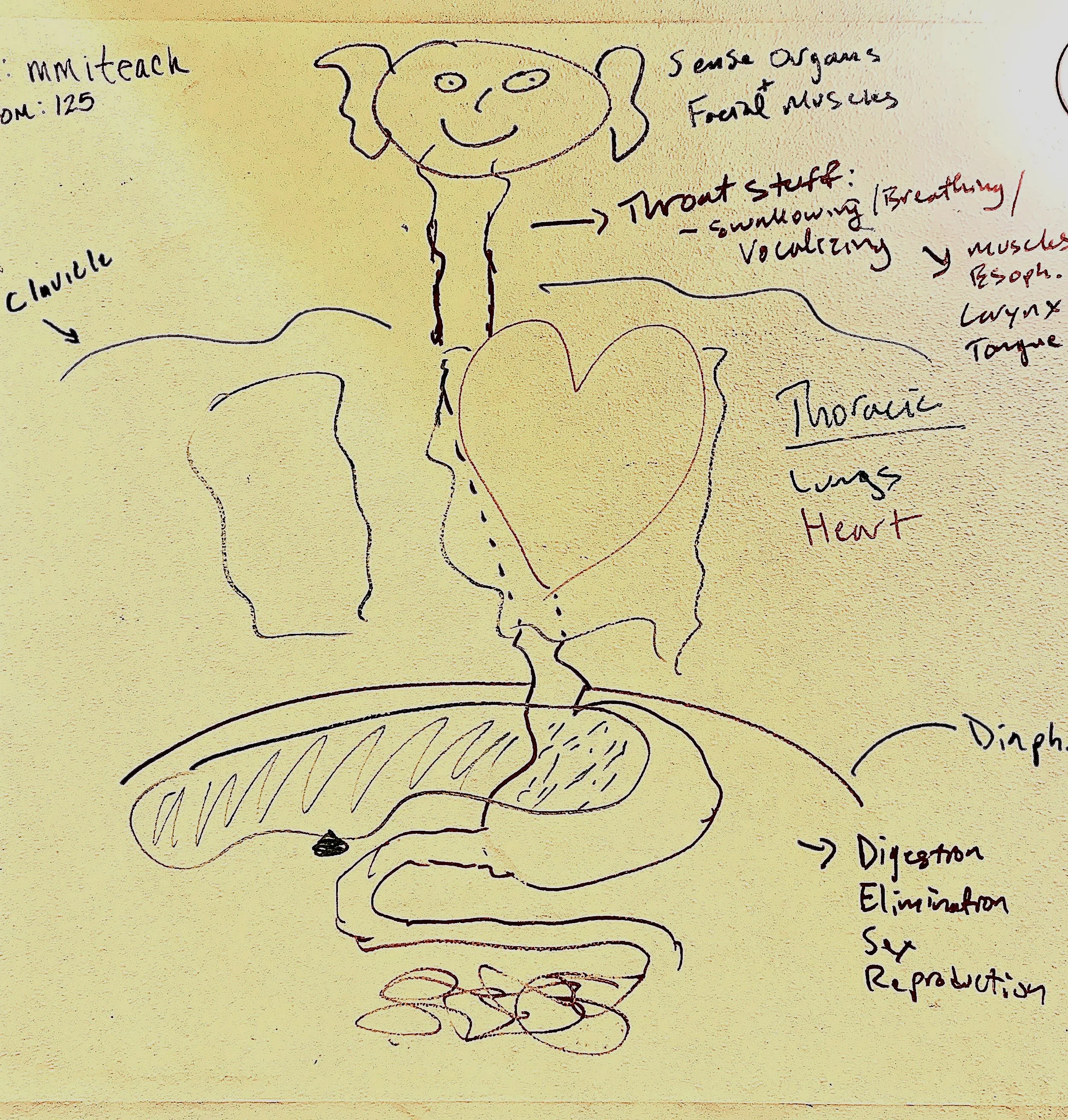
What’s the Fuss with the Vagus?
It's okay to play with anatomy and our ideas together to process our understanding and share with others without being hung up on exactitude. I recently had some fun exploring the polyvagal system and its potential impact on overall patient care.