
Field NOtes Blog
Posts from Michael McMahon

Field Notes is the place where our clinical interests meet genuine curiosity about how bodies work, heal, and change.

The Vagal System in the Wild
We have had a bit of vagal system extravaganza at MMI lately. I have been inspired by some dissection stuff during my class with Gil Hedley to re-look at vagal system anatomy. Dissection is messy business, and while we saw the vagus in the wild, as Gil likes to say, it was difficult to get the impressions of it that I wanted.

Entering the Temple of the Jaw
When in doubt, check the jaw. In our mapping of the craniosacral system, I place utmost importance on treating the jaw. While not directly part of the CS system, the jaw may be the place where the most energy enters into the system. I want to share a case study as an example of how this can work in the clinic.

The Myodural Bridge
The myodural bridge is where myofascia of two of the sub occipital muscles, the rectus capitis posterior major and minor, have fascial connection with the dural tube–the membrane surrounding the spinal cord. This means that good myofascial work at the sub occipitals could also be considered fairly direct work on the craniosacral system.

Pace Makes Space: Small But Significant Changes to Our CST Curriculum
It’s been 5 years since we launched our new CST program and we figured it was time to take all that we’ve learned delivering it and make some changes.
We believe education isn’t just about transferring knowledge or skills, but a living laboratory for possibility. Because of that we are constantly learning from our time in the classroom. Just like we do in the clinic; we reflect on what we are doing and ask ourselves what have I learned from my time with this person and how can I use that to create better treatment with them? MMI does that with our curricula too. Nothing about learning is static.
Thoracolumbar Fascia, the Lati Dorsi and Low Back Pain
There is no one size fits all approach to assessing and treating lower back pain. Each person deserves to be treated with curiosity and as open of a mind as possible. Of course, there are key characters like the psoas and quadratus lumborum, there is tension distributed into the low back via shortened hamstrings, and treating the glutes (especially glute medius) is often gold.
Anatomy As Symbol Language
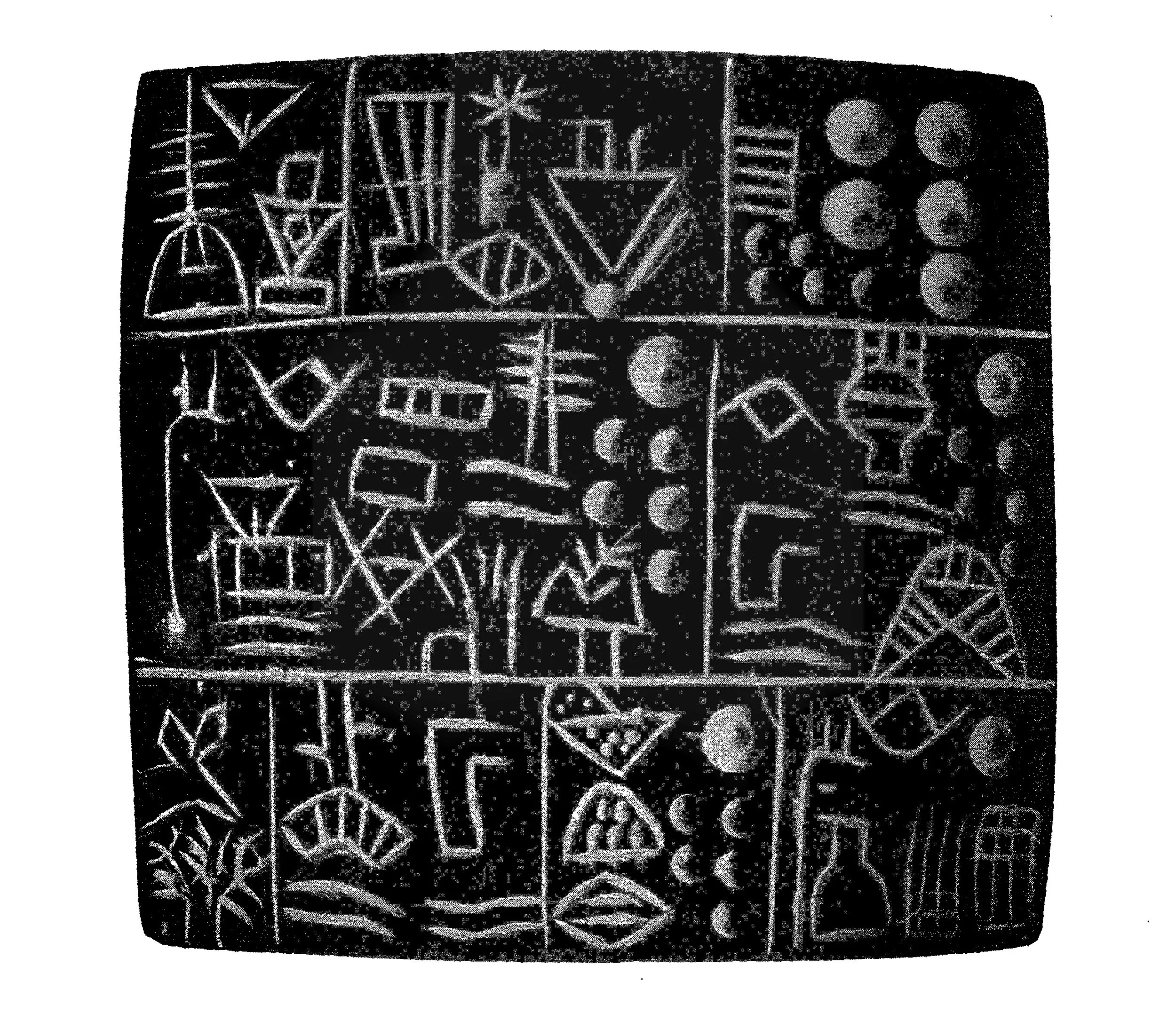
Periodically we will use this space to share and elaborate on conversations that come up in class (truly, one of my favorite things about teaching and the MMI community are the spontaneous dialogues we get to have when we come together). I love the richness and the depth that we get to almost immediately. As it’s happening I wish more folks could have the opportunity share in the richness…
Image: Archaic cuneiform table E.A. Hoffman
Anatomy Talk: Your Viscera are Connected to your Hyoid
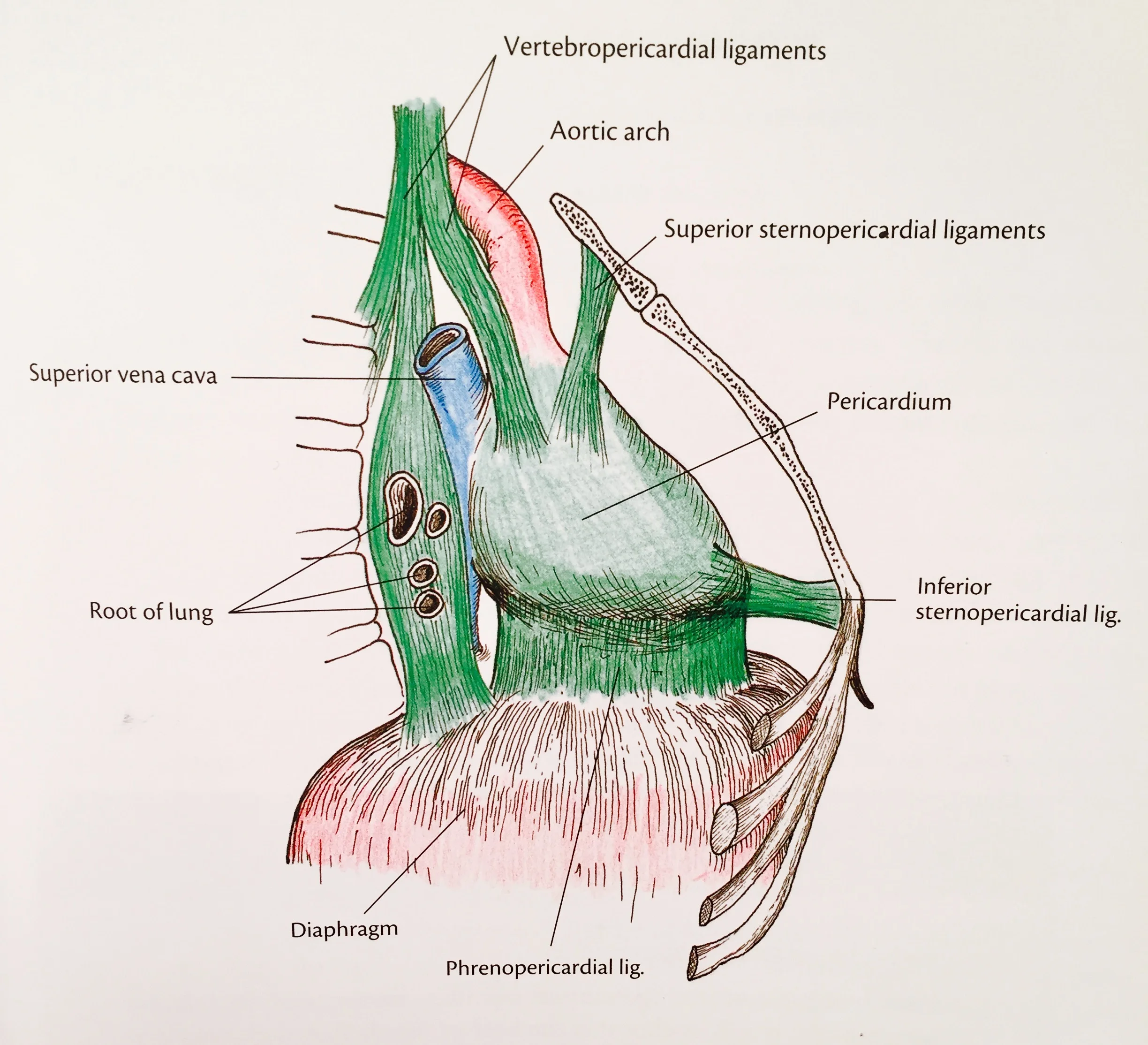
I’m excited about our Visceral Techniques curriculum. I believe working with the viscera is of increasing importance and I want people to be able to access this potent region.