
Field NOtes Blog
Posts from Michael McMahon

Field Notes is the place where our clinical interests meet genuine curiosity about how bodies work, heal, and change.
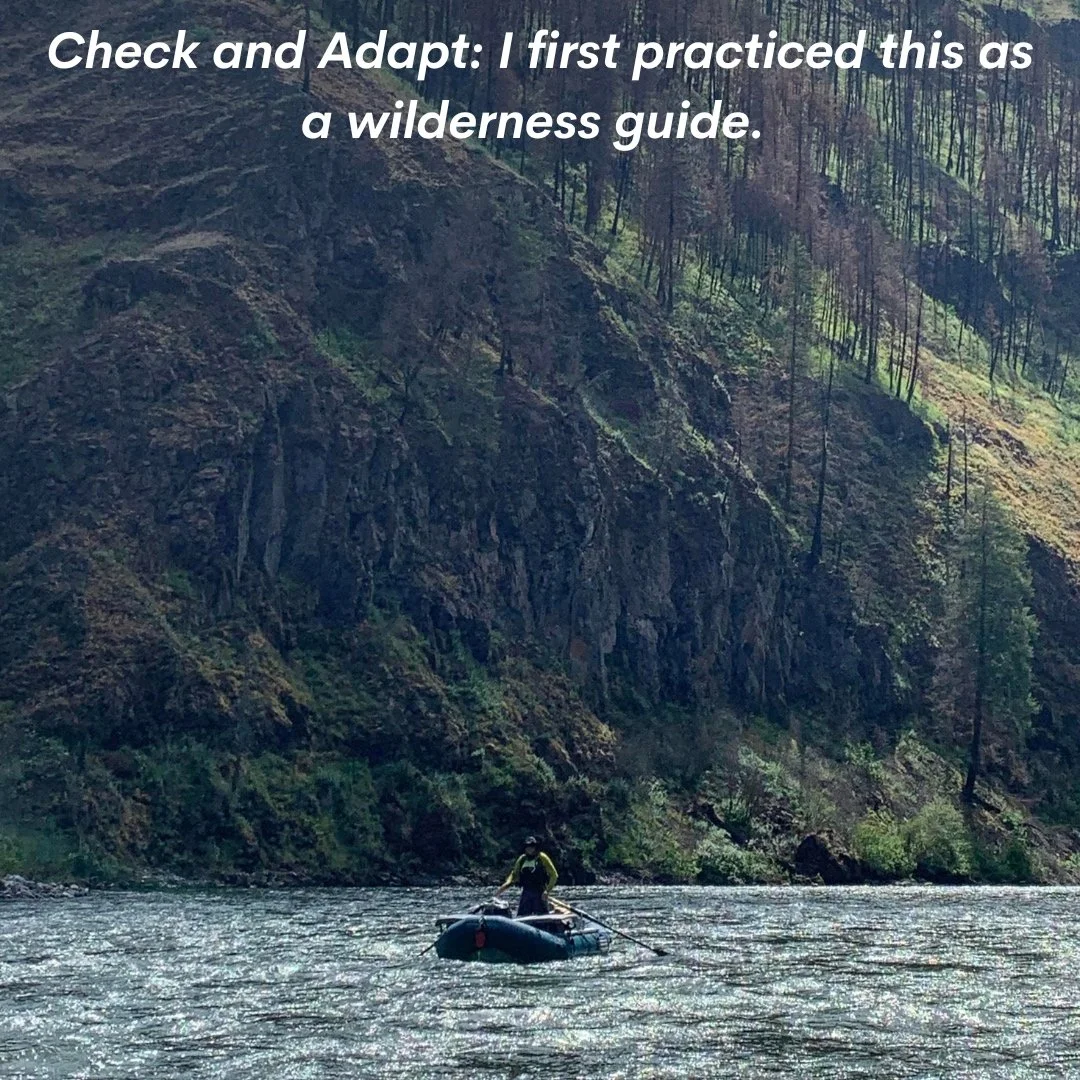
Check and Adapt
Check and Adapt is something I’ve been practicing since my time as a wilderness guide. It applies to everything from how I approach a client on the table to business planning at a high level to the ongoing evolution of the Moving Mountain Institute curriculum design. Once you start working you learn more information. Check and adapt gives you the flexibility to evaluate what’s working, what needs to change and ways to think about how to change.

On the Cusp
“Cosmic Fireflies” dance above while Michael contemplates the upcoming Winter Solstice.
We are on the cusp of the Solstice, the deepest dark and rise of light. I wish all of us some time to sink into the juicy dark and nourish seeds we can grow in some near or far future and also to find those sources of flickering light…
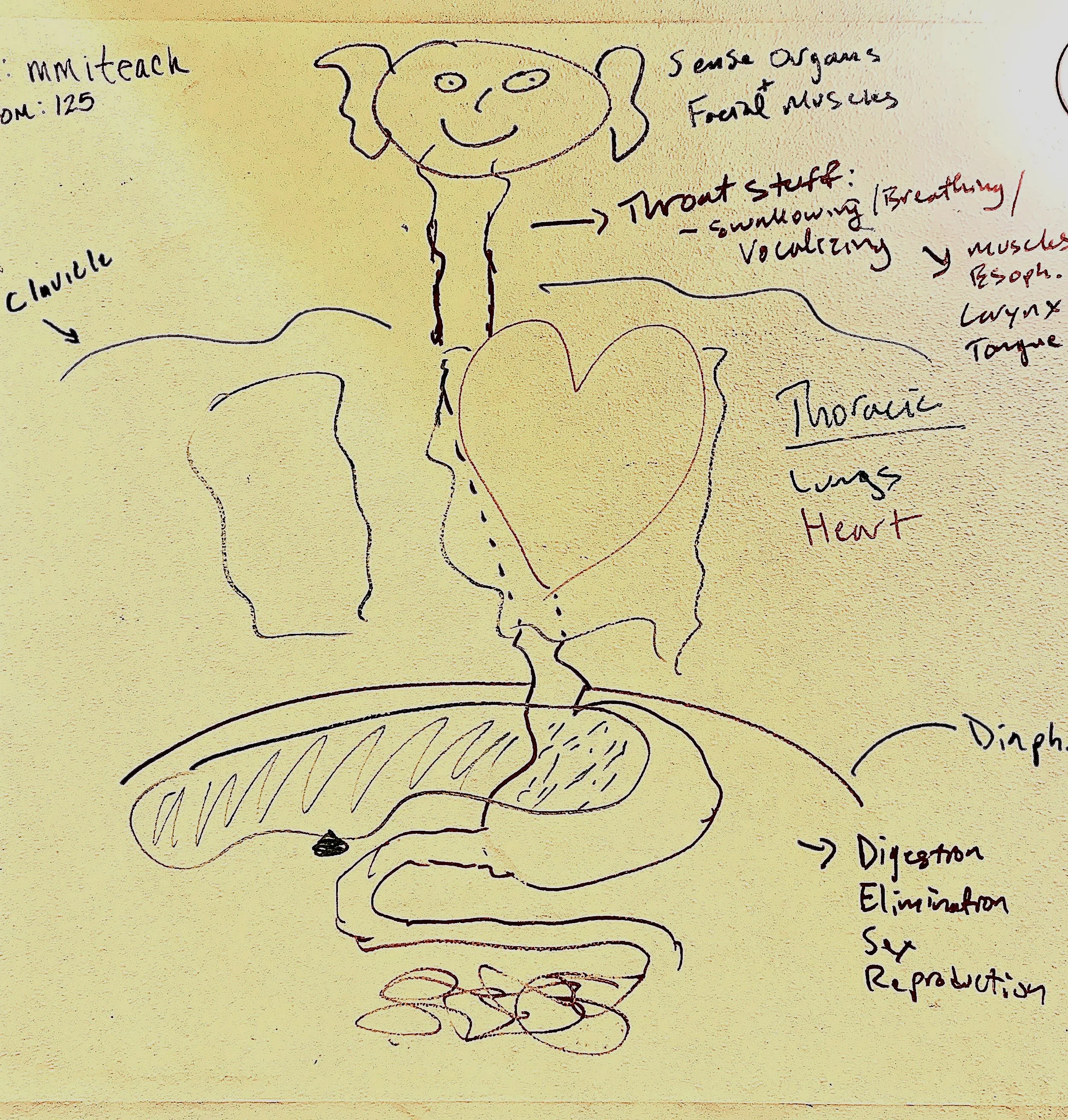
What’s the Fuss with the Vagus?
It's okay to play with anatomy and our ideas together to process our understanding and share with others without being hung up on exactitude. I recently had some fun exploring the polyvagal system and its potential impact on overall patient care.

The Thoracolumbar Junction: The place you need to know, but maybe don’t…
One of the most important regions of the body when it comes to treating myofascial pain and some visceral issues is the thoracolumbar junction (TLJ). It is where the thoracic spine meets the lumbar spine - and a whole lot more.

Craniosacral Therapy: The missing link in healthcare?
We are in the midst of evolving health challenges, and there is very little that the conventional healthcare system will be able to offer those who are suffering from complications related to long COVID. Our work as holistic health practitioners is a missing link in our decidedly under functioning healthcare system. Because of this, it seems relevant to consider craniosacral work as a component of care—and hopefully healing—for people suffering multiple chronic and long-term afflictions after COVID infection.
CASE STUDY: Hands-on treatments after COVID infection
Under our current healthcare system, bodyworkers, naturopaths, and TCM practitioners are all expected to treat the people and symptom sets that the system can’t or won't.
We are the main interface with healthcare for many. That means we have to be looking out for our people. As we move deeper into the pandemic, our role is essential.
Providing effective treatment to patients in the healing and recovery stages of COVID infection demands a nuanced, oblique view of this new disease vector.
I recently had a case that underscores the importance of how we treat COVID, holistically.

Flipped Learning for Hands-On Healers
You know the struggle so well. You’re psyched for a class and want to learn as much as you can to help your clients or patients. The instructor knows what they’re talking about and the technique is great. And yet…
It all happens too fast. The lectures, the labs, the task switching, the jumble and complexity and and and… and you can’t take it all in. You struggle to focus on the thing that got you so excited to be there in the first place.
A "flipped" classroom addresses this struggle. We feel it's the ideal format for learning hands-on skills like bodywork, acupuncture, and other hands-on skills.
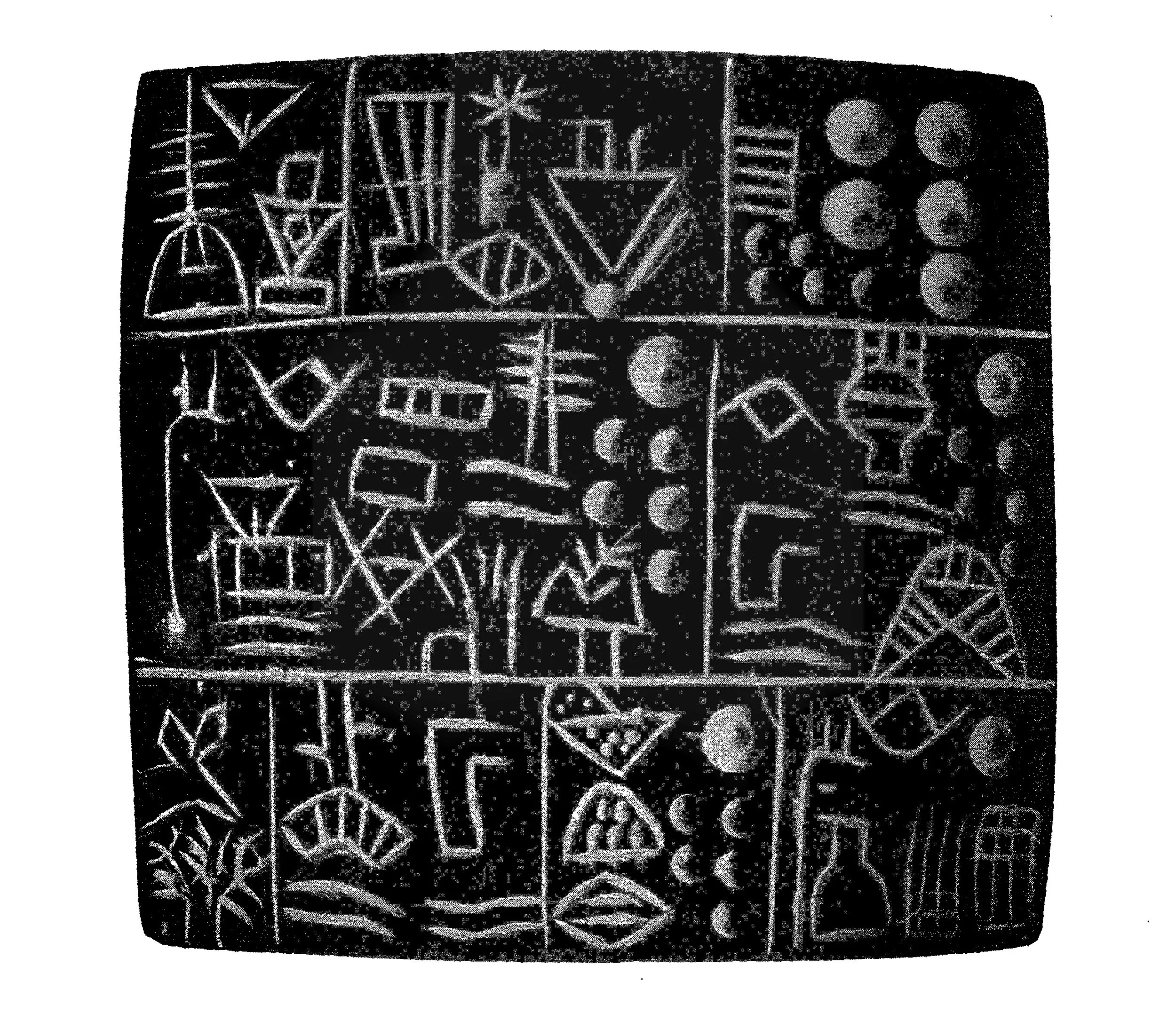
Anatomy As Symbol Language
Periodically we will use this space to share and elaborate on conversations that come up in class (truly, one of my favorite things about teaching and the MMI community are the spontaneous dialogues we get to have when we come together). I love the richness and the depth that we get to almost immediately. As it’s happening I wish more folks could have the opportunity share in the richness…
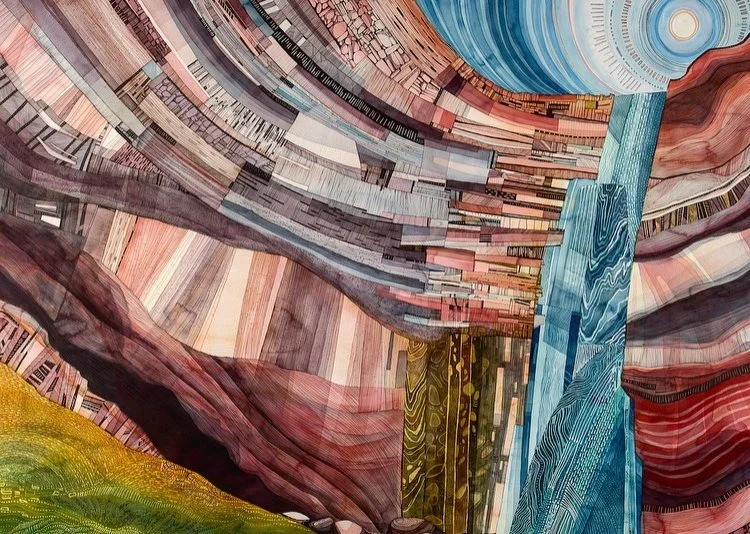
Image: Archaic cuneiform table E.A. Hoffman
Students Matter!
We recently talked with Michael about his past experiences as both learner and facilitator and how these have shaped him in his journey as a teacher, in building curriculum and ensuring students matter.
Image: "Rainbow Falls Abstraction" by Lyndsey Fox * Giclee Print *lefoxstudio.com @lefoxstudio
Reflections of the Past Year & Looking Forward
The past year in reflection - social justice, education and equity and a new curriculum come together in an ongoing co-evolution of our work.

Appreciative Inquiry in the Clinic and the Classroom and…
“… people are motivated by feeling valued and/or appreciated for who they are. Appreciative Inquiry makes an explicit practice of being curious about strengths and possibilities and highlights things that are working well and then wonders how that can happen more in arenas where there are challenges…”
Polyvagal Theory & Listening Hands
Stephen Porges’ Polyvagal Theory has altered our professional landscape in ways yet to be fully actualized. The Polyvagal concept has become popularized for good reason – it illuminates so much about both the importance of and how we can understand safety. The Polyvagal Theory could be thought to be the ground for an evolving New Science of Safety.
Listening-Hands and The Nervous System in the Clinic
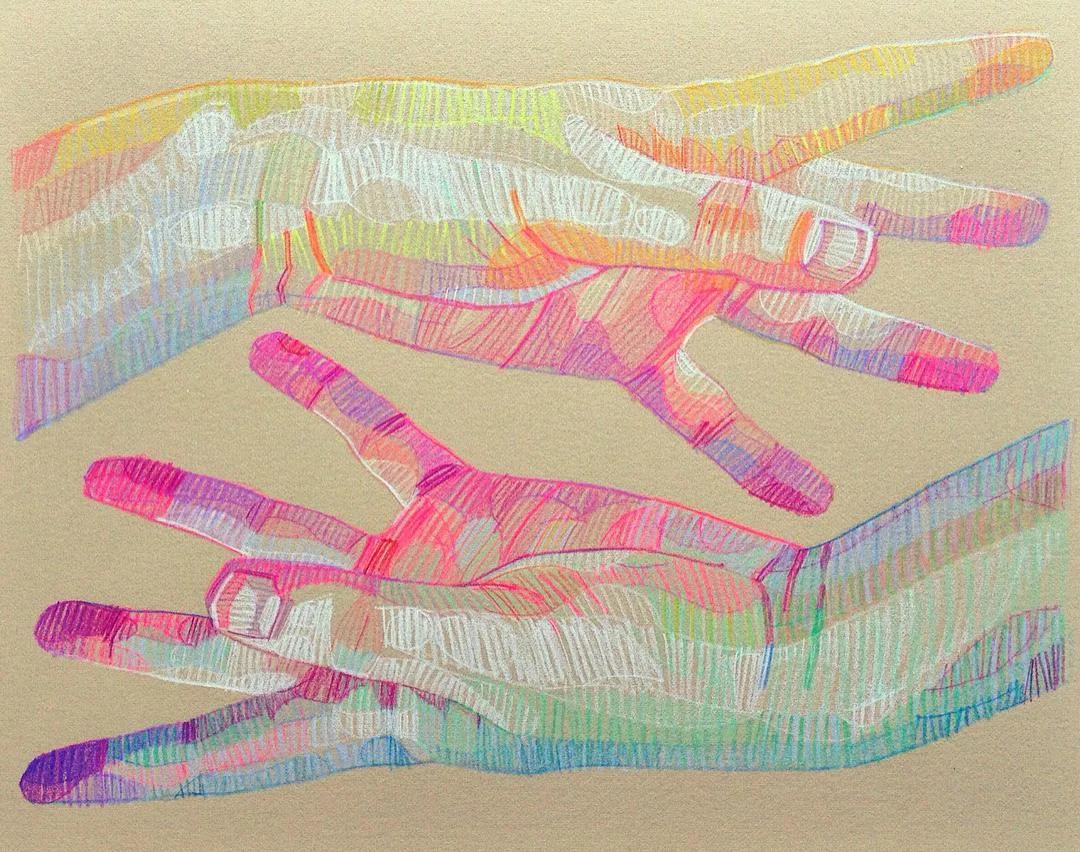
Patient needs are becoming increasingly complex. The “nervous system” is recognized as a key component of this increasing complexity – but how do we work with the nervous system in a meaningful way in ever changing case scenarios? This is one of the most important questions facing healthcare today.
On Applying Indirect Techniques in Myofascial Release Therapy
We have found more and more that our best myofascial work occurs when we are willing to dance with the tissue in an indirect and direct way – listening for both and not focusing only on the direct, stretching aspect of the work.

Some of What Inspired Us This Year
We turn towards and into the arts regularly over here. Books are a particular love… In some way, somehow, these books inform aspects of our work and only that because they inform us ever more deeply of what it means to be embodied now – in this time and place with our particular histories alive and always seeking deeper understanding…

Following a Fascial Thread, Contemplating New Findings in the Existence-Tissue
Explore the marvelous world of fascia in Michael McMahon’s field note on Following a Fascia Thread. In pursuit of one of Moving Mountain Institute’s major themes - how does the body experience itself – Michael contemplates the phenomenon of existence-tissue along with other fascia threads in preparation for his 2019 Myofascial classes.
Anatomy Talk: Your Viscera are Connected to your Hyoid
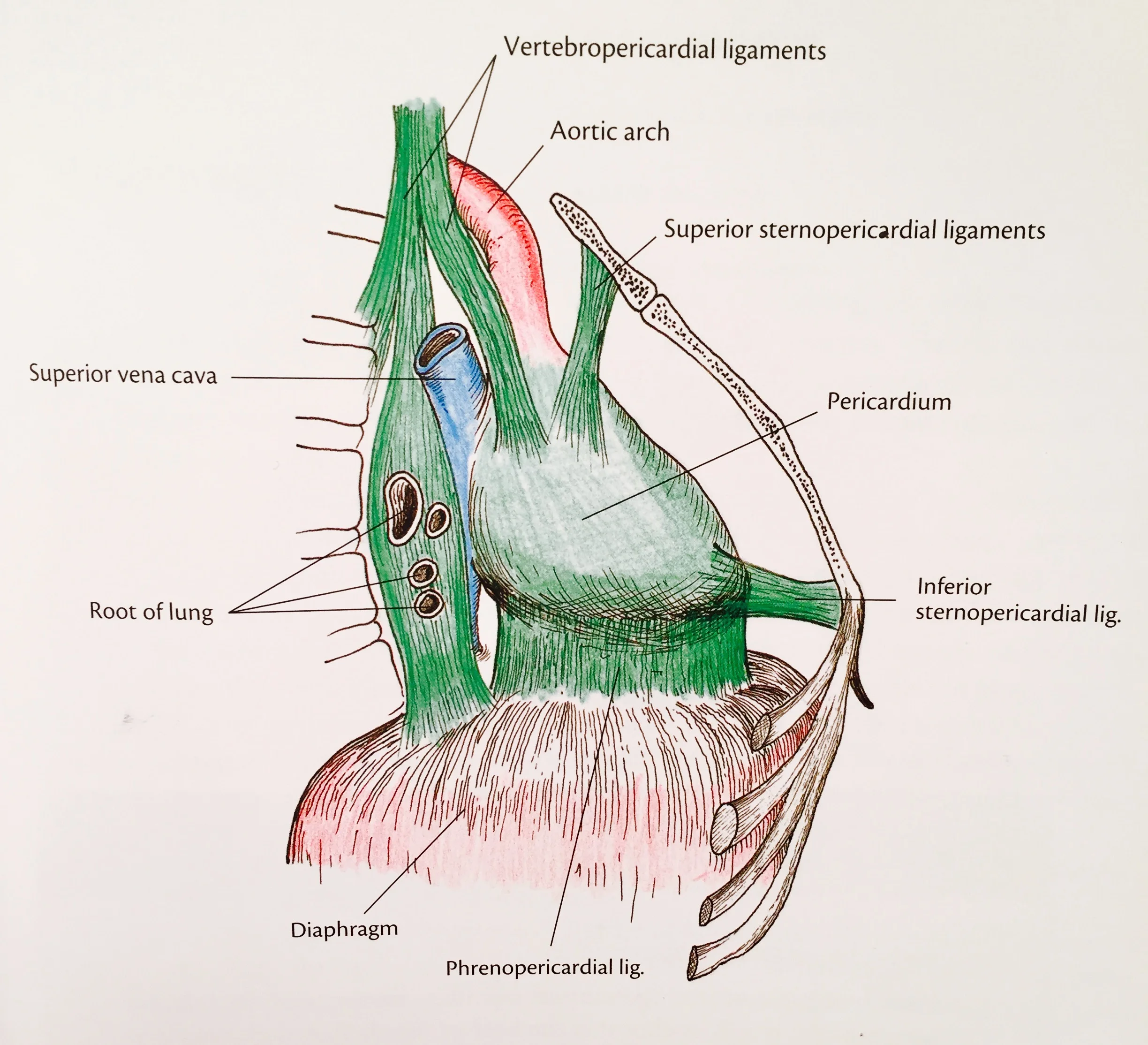
I’m excited about our Visceral Techniques curriculum. I believe working with the viscera is of increasing importance and I want people to be able to access this potent region.

Thoracolumbar Fascia as Storyteller
Each treatment modality serves as a lens through which to view a certain aspect of our being. Myofascial release allows us access to a depth and breadth of tissue. The myofascia encompasses a lot of our physical matter and energetic potential. It’s implicit here that, of course, each technique also has its limits. Most issues that bring any of us into treatment involve multiple systems and so as people working with the body it is nice to dive deep into multiple modalities – then integrate the understandings that emerge. As Gil Hedley, somanaut and connective anatomist par excellence, so elegantly stated at a talk in Portland, OR, we must always hold our models lightly.
I really believe that’s true – and we must work from some model or models – and be willing to adjust or abandon them as our curiosity and openness offers us opportunities for new insight.
On Poetry in the Classroom
We recently re-discovered the transcript of a conversation between Michael and one of our esteemed colleagues and workshop participants, Alison Schneider. Here is Michael's response to her question about poetry in the classroom.
Our Core Principles: The Body has a Story to Tell
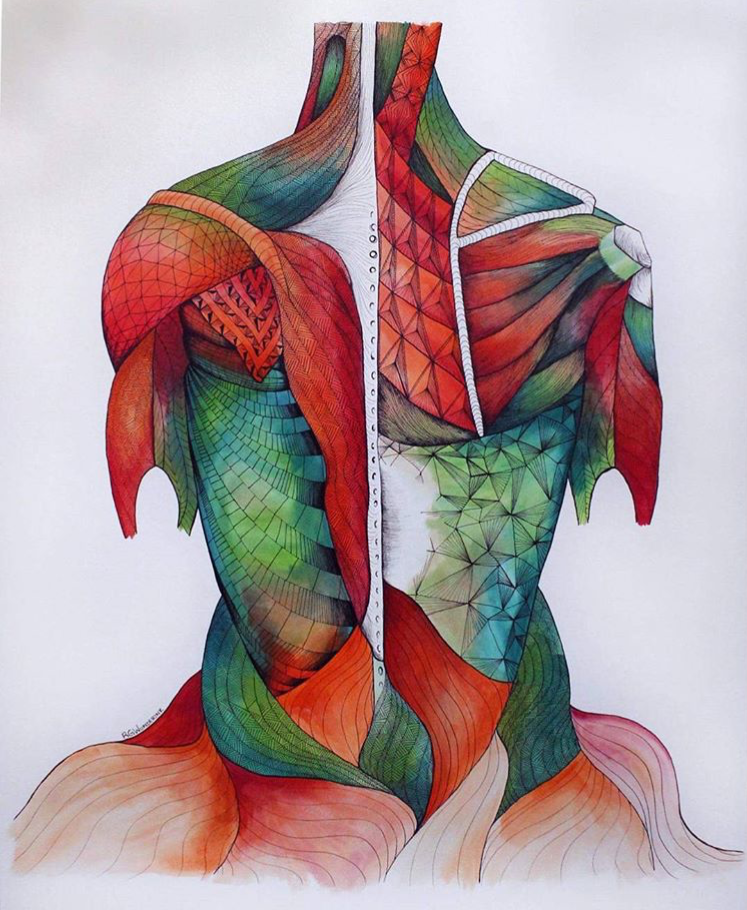
Moving Mountain Institute believes that the body has a story to tell and, that informed hands-on healing work is a powerful medium for engaging with that story. Our courses draw from multiple disciplines to distill a handful of core principles that guide our work and provide an ever-evolving clinical context for going deeper into the complexity of the body.